By Dr. Carola Okogbaa | Louisiana Center for Eyes | Baton Rouge, Louisiana
November is Diabetic Eye Disease Awareness Month.
Did you know diabetes can damage your eyes even when your vision seems perfectly normal? Serious eye damage often develops without symptoms. By the time vision changes appear, the disease may already be advanced.
The good news: early detection, good diabetes management, and timely treatment greatly reduce the risk of vision loss. Here is what every person with diabetes should know.
How Does Diabetes Affect Your Eyes?
Over time, high blood sugar damages small blood vessels throughout the body, including those in your eyes. The retina, the light-sensitive tissue at the back of the eye, is especially vulnerable.
When these tiny vessels leak, bleed, or become blocked, the condition is called diabetic retinopathy. Without monitoring and treatment, it can lead to significant vision loss.
Diabetes also raises your risk of other eye conditions, including cataracts at a younger age and glaucoma.
Can Diabetes Really Cause Blindness?
Yes. But much of this vision loss is preventable.
Diabetic retinopathy is a leading cause of vision loss in working-age adults. As it progresses, fragile abnormal blood vessels can grow in the retina and bleed into the eye.
Diabetes can also cause swelling in the center of the retina, called the macula. This condition, diabetic macular edema, can make it hard to read, drive, or recognize faces.
Modern treatments can preserve vision and, in some cases, improve it. The key is finding problems early.
What Are the Warning Signs?
Diabetic eye disease often has no symptoms. You can have it even with 20/20 vision. As it progresses, you may notice:
- Blurry or fluctuating vision
- Difficulty reading or seeing fine details
- New floaters or dark spots
- Distorted or missing areas of vision
- Sudden loss of vision
Important: Sudden vision loss, new flashes of light, or a sudden increase in floaters needs urgent evaluation. Call us right away.
Don’t wait for symptoms to schedule your diabetic eye exam.
How Often Do You Need an Eye Exam?
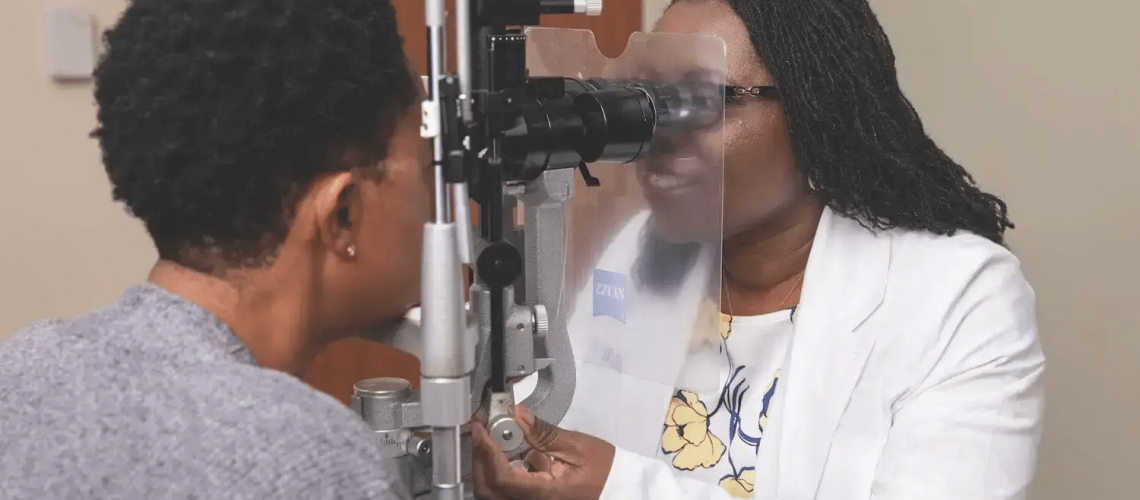
A dilated eye exam is the only way to see changes in the retina before they affect your vision. General recommendations are:
- Type 2 diabetes: first exam at the time of diagnosis
- Type 1 diabetes: first exam within five years of diagnosis
- Pregnancy: an exam before pregnancy or early in the first trimester, since pregnancy can speed up diabetic eye changes
After that, most patients need an exam every year. Some patients with well-controlled diabetes and normal findings may need exams less often. Those with retinopathy may need closer monitoring. Your ophthalmologist will recommend the right schedule for you.
Can Diabetic Eye Disease Be Treated?
Yes. Depending on severity, treatment may include:
- Blood sugar and blood pressure control to slow or prevent worsening
- Eye injections to reduce leakage and swelling in the retina
- Laser treatment to lower the risk of severe vision loss
- Retinal surgery for advanced complications such as bleeding or retinal detachment
Your eye care specialist will tailor treatment to your specific condition.
Five Ways to Protect Your Vision
- Get a dilated eye exam on schedule. Early detection protects your sight.
- Know your A1c. Work with your primary care doctor or endocrinologist to stay in your target range.
- Control your blood pressure. It protects the delicate vessels in your eyes.
- Manage cholesterol and overall health. Healthy eating and activity support your blood vessels.
- Keep your follow-up appointments, even when your vision seems fine.
Your Eyes and Your Whole Health
Your eye exam gives us a direct view of your blood vessels. With your permission, we share your results with your primary care doctor or endocrinologist so your whole care team stays on the same page.
Schedule Your Diabetic Eye Exam in Baton Rouge
Remember: you don’t have to have vision problems to have diabetic eye disease.
If you or someone you love has diabetes and is due for an eye exam, let this November be your reminder. At Louisiana Center for Eyes, our mission is to help you achieve your best vision so you can experience life more clearly and fully.
Call us at (225) 356-2655 or Request an Appointment today.
Your vision matters. Let us help you protect it.
Medical Disclaimer: This article is for educational purposes and does not replace a comprehensive eye exam or individualized medical advice.
